
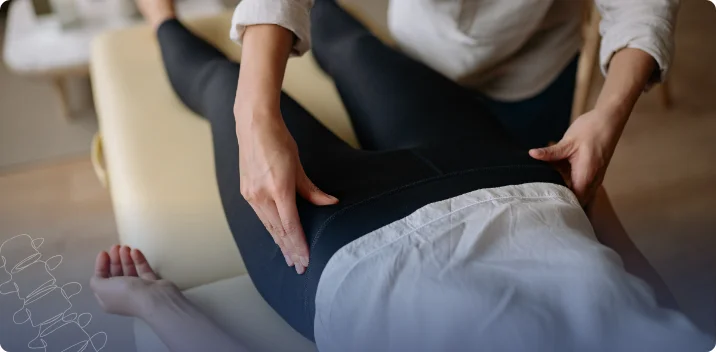
When hip pain starts interfering with your daily life, the fear of needing a hip replacement can be overwhelming. Walking becomes difficult, getting in and out of chairs hurts, and simple activities like putting on shoes turn into major challenges. Many people assume surgery is inevitable once hip arthritis develops. However, integrated physical rehabilitation offers real hope for avoiding or significantly delaying hip replacement surgery. At Active Lifestyle Medical in Sterling, VA, patients dealing with hip pain have access to comprehensive, coordinated care designed to treat the root causes of joint deterioration rather than simply managing symptoms.
What Does Integrated Physical Rehabilitation Actually Mean?
Integrated physical rehabilitation is a coordinated program that combines strength training, flexibility work, manual therapy, pain management, and movement retraining under one clinical team. Every element targets the same goal, protecting the hip joint, so the pieces reinforce each other instead of working in isolation.
Integrated physical rehabilitation takes a comprehensive approach to hip health. Rather than relying on a handful of home exercises, this approach combines multiple treatment methods under professional supervision. It typically includes targeted strength training, flexibility work, manual therapy, pain management techniques, and patient education.
The key is that each component works together. Your treatment plan addresses all the factors contributing to your hip pain rather than isolating one piece of the puzzle. This coordinated approach consistently produces better outcomes than attempting treatments separately or without clinical guidance.
Why Do Hips Fail in the First Place?
Most hips that end up needing replacement fail because osteoarthritis gradually wears away the joint's protective cartilage. Years of muscle imbalances, poor movement patterns, and uneven joint loading accelerate that wear, which means many of the root causes are mechanical and can be addressed with targeted rehabilitation.
Before exploring whether physical rehabilitation can prevent a replacement, it helps to understand what goes wrong with hips in the first place. Most patients who eventually need hip replacements have osteoarthritis, a degenerative disease in which the tissues of the joint break down over time, including the protective cartilage covering the hip joint, which gradually wears away. This creates pain, stiffness, and reduced mobility that worsens over time.
Cartilage breakdown, however, does not happen randomly. It often results from years of poor movement patterns, muscle imbalances, and biomechanical problems that place uneven pressure on the joint. When certain muscles are weak or chronically tight, the hip joint absorbs stress it was never designed to handle. That accelerated wear is what leads to arthritis.
This is actually encouraging news because it means physical rehabilitation can address many of the root causes of hip deterioration rather than simply treating the pain that results from it.
Does the Evidence Support Physical Therapy for Hip Arthritis?
Yes, within limits. Clinical research and major orthopedic organizations recognize structured exercise and physical therapy as first-line care for hip osteoarthritis, and many patients improve enough to delay or avoid surgery. Outcomes vary by person and depend heavily on how advanced the joint damage is when treatment begins.
Research supports that comprehensive physical therapy programs can significantly reduce hip pain and improve function for people with hip arthritis. The American Academy of Orthopaedic Surgeons lists specific exercises that improve range of motion, flexibility, and hip strength among the core nonsurgical treatments for hip osteoarthritis, and multiple studies have found that patients who commit to structured rehabilitation programs experience meaningful relief.
More importantly, many patients who complete intensive physical therapy programs are able to delay or completely avoid hip replacement surgery. Even when surgery eventually becomes necessary, patients who pursue physical therapy first tend to have better surgical outcomes and faster recoveries, although individual results always vary.
Components of Effective Hip Rehabilitation
The guided rehab exercise programs at the heart of integrated care are built from several coordinated components, each addressing a different contributor to hip deterioration.
Strengthening the Right Muscles
Hip problems rarely exist in isolation. When your hip hurts, surrounding muscles often weaken or stop functioning properly. The glutes, core muscles, and hip flexors all play critical roles in supporting healthy hip mechanics.
An effective rehabilitation program identifies which muscles need strengthening and provides targeted exercises designed to address those specific deficiencies. Stronger muscles around the hip joint reduce the load the joint itself must absorb, which decreases pain and slows the progression of arthritis over time.
Improving Flexibility and Range of Motion
Tight muscles and restricted movement patterns place extra stress on the hip joint. Stretching exercises and manual therapy techniques help restore normal flexibility and mobility. When the hip can move through its full range of motion comfortably, daily activities become more manageable and the mechanical stress on the joint decreases substantially.
Correcting Movement Patterns
The way you walk, stand, and move can directly contribute to hip deterioration. A physical rehabilitation plan analyzes movement patterns and teaches safer, more efficient alternatives that protect the hip joint during everyday activity. These corrections may seem minor in isolation, but they produce meaningful results over months and years of consistent application.
Pain Management During Rehabilitation
One challenge with hip rehabilitation is that exercise can initially increase discomfort. Integrated programs at Active Lifestyle Medical address this by incorporating pain management strategies alongside exercise programming. Manual therapy, heat or cold therapy, and other supportive techniques allow patients to train more comfortably and maintain consistency throughout the program.
Controlling pain during the rehabilitation process is important because consistency is one of the strongest predictors of long-term success.
When Does Surgery Still Make Sense?
Surgery makes sense when the joint is structurally beyond what rehabilitation can compensate for, such as bone-on-bone arthritis with severe pain that no longer responds to conservative care. Even then, completing a course of physical rehabilitation first often makes recovery after a hip replacement smoother.
Physical rehabilitation is powerful, but it cannot reverse severe structural damage. If your hip joint is severely compromised or if you have bone-on-bone arthritis with no remaining cartilage, rehabilitation alone may not provide sufficient relief. In those cases, hip replacement may still be the most appropriate option. Medical guidance reflects this same sequence: hip replacement surgery becomes an option when treatments such as physical therapy, pain medicines, and exercise have not helped.
However, even patients with advanced arthritis frequently benefit from trying physical rehabilitation first. Some experience enough improvement to delay surgery for years. Others find that while they eventually require surgery, the pre-surgical conditioning makes their recovery significantly easier and reduces the time spent in post-operative rehabilitation.
Success Factors for Hip Rehabilitation
Patients who achieve the best results from integrated physical rehabilitation share certain qualities. They commit to the full program rather than stopping after a few sessions when initial improvement plateaus. They complete their home exercises consistently between appointments. They are willing to make necessary lifestyle adjustments, including maintaining a weight that is healthy for you when excess body weight is contributing to joint stress.
Starting rehabilitation early also matters considerably. The sooner hip problems are addressed, the greater the likelihood of avoiding surgery. Waiting until the joint is severely damaged reduces the effectiveness of even the most comprehensive rehabilitation program.
Active Lifestyle Medical serves patients throughout Sterling, VA and the surrounding Northern Virginia area with an integrated approach to hip rehabilitation that gives many patients a real alternative to surgery. If you are managing hip pain and wondering whether a replacement is inevitable, scheduling a consultation to explore comprehensive physical rehabilitation care may be the most important step you take toward recovery.
Frequently Asked Questions
How long does it take for physical rehabilitation to help hip arthritis pain?
Many people notice early changes within four to six weeks of consistent work, while meaningful strength and mobility gains usually build over two to three months. Timelines depend on how advanced the arthritis is, how consistently home exercises get done, and your overall health, so progress varies from person to person. Your provider should reassess regularly and adjust the plan as you improve.
Is it safe to exercise with hip osteoarthritis?
For most people, appropriately dosed exercise is both safe and recommended for hip osteoarthritis. The key is selection and progression: low-impact activities such as swimming, cycling, and supervised strength work generally load the joint without aggravating it. A physical rehabilitation evaluation can screen for issues that need medical clearance first, and your provider can teach you to tell normal muscle soreness from true joint irritation.
What activities should I avoid with hip arthritis?
There is no universal banned list, but many people with hip arthritis do better limiting repetitive high-impact activities such as running on hard surfaces, deep loaded squats, and long periods sitting in low chairs. Rather than avoiding movement altogether, the goal is to swap aggravating activities for joint-friendly alternatives while rehabilitation restores the strength and mobility that make more activity tolerable again.
Can physical rehabilitation still help if my hip replacement is already scheduled?
Yes. Pre-surgical rehabilitation, sometimes called prehab, focuses on building strength, range of motion, and movement confidence before the operation. Patients who go into surgery stronger often find early recovery tasks such as walking and stair climbing easier, though individual recovery experiences vary. Your surgeon and your physical rehabilitation provider can coordinate the right activity level for the weeks leading up to surgery.
Do I need a referral or imaging before starting physical rehabilitation?
It depends on your insurance plan and how you choose to access care. Imaging is not always required before beginning conservative treatment for hip pain, since an evaluation of strength, mobility, and movement patterns guides the initial plan. The simplest path is to contact the clinic, describe your situation, and let the team confirm what your specific plan requires before your first visit.
Ready to take the next step?
Talk with the Active Lifestyle Medical team about a Physical Rehab plan built around your body and your goals.