
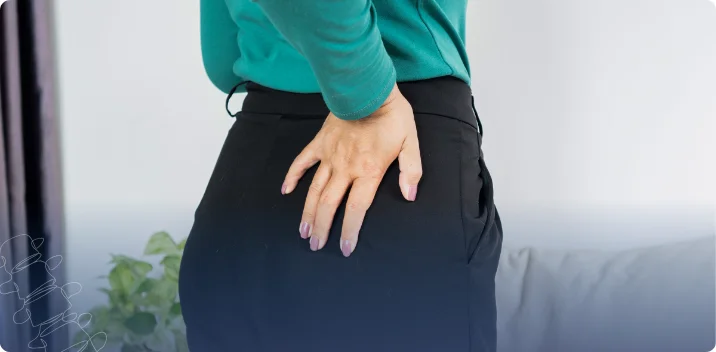
Hip pain relief in the Sterling, VA area often starts with one simple goal: move without thinking about every step. Hip discomfort can interrupt stairs, getting in and out of the car, long commutes, and sleep. If you want options that do not begin with medication or surgery, a structured approach can make a real difference.
The hip is built for load, rotation, and stability. When something in that system gets irritated, the body adapts quickly. Those workarounds can keep you going, but they can also reinforce pain over time. The good news is that many hip problems respond well to conservative chiropractic care when the plan targets mechanics, mobility, and nervous system tension.
What Causes Hip Pain?
Hip pain most often comes from osteoarthritis, bursitis, tendonitis, labral tears, or piriformis syndrome. It can also be referred from the lower back or sacroiliac joint, which means the true source sometimes sits outside the hip itself. An accurate assessment identifies which structures are involved before treatment begins.
One of the most common causes of hip pain is osteoarthritis, where the cartilage cushioning your hip joint gradually wears down over time, leading to stiffness and inflammation. Other frequent causes include bursitis, an inflammation of the small fluid-filled sacs that cushion the joint, along with tendonitis, labral tears, and piriformis syndrome, a condition where a small muscle compresses the sciatic nerve. Sports, running, overuse, and falls can also lead to hip injuries such as strains and bursitis, which is why your activity history matters during an evaluation.
Many people do not realize that hip pain can also stem from problems in the sacroiliac joint or lumbar spine. When your lower back or pelvis is not moving correctly, it shifts stress onto your hip, creating pain that feels like it lives in the joint but actually has roots elsewhere. Recognizing the true source of your hip pain is the first step toward relief.
How Can Chiropractic Care Support Hip Function?
Chiropractic care supports hip function by restoring motion in restricted joints, easing protective muscle tension, and retraining the movement patterns that overload the joint. Techniques may include joint mobilization, soft tissue work, and corrective exercise, chosen to match your specific presentation rather than a one-size-fits-all protocol.
At Active Lifestyle Medical, the goal is not a generic routine. Treatment is built around what your hip is doing and why your body is protecting it. Chiropractic hip and pelvis alignment care may include joint mobilization, hands-on techniques for restricted tissues, and movement guidance that fits real schedules.
When a joint is stiff, the body tends to borrow motion from somewhere else. That borrowing creates inefficient movement patterns, especially at the spine and pelvis. Improving joint motion can reduce strain, support steadier gait mechanics, and lower the overall sensitivity that keeps pain signals elevated.
Why Does Hip Pain Rarely Start in the Hip Alone?
The hip shares load with the lumbar spine, pelvis, and core, so a restriction in any link of that chain forces the others to compensate. Over time, compensation patterns irritate the hip and heighten nervous system sensitivity, which is why effective care evaluates the whole kinetic chain rather than only the painful joint.
Your hip does not work alone. It shares the load with the lumbar spine, pelvis, and core. If one part of that chain is restricted, the other parts make up for it. Compensation can feel like tightness, pinching, aching, or a sense that the hip never fully settles.
This is also where the nervous system matters. Pain can increase protective muscle tone, and that tension can limit range of motion, reduce circulation, and keep movement guarded. A focused plan aims to reduce sensitivity while restoring better motion and control.
Spinal and Pelvic Motion
Restricted movement in the lower back or sacroiliac joints can change how the pelvis rotates with each step. That altered mechanics overloads the front or side of the joint. Restoring healthier motion patterns can take stress off irritated structures and give the hip room to move as it should.
Soft Tissue and Trigger Point Patterns
The hip flexors, glutes, deep rotators, and fascia can become dense and reactive over time. Trigger points can send pain into the hip, thigh, or low back, making it difficult to pinpoint a single source. Soft tissue work reduces tension so the hip can move more smoothly, and targeted manual care is one of several tools the team at Active Lifestyle Medical uses to support joint mobility and reduce protective guarding.
Strength and Control Under Load
Even with good mobility, hips need stability to perform well. Targeted corrective exercises help you control rotation, improve single-leg balance, and reduce the tendency to collapse into painful positions. This component is often what helps progress hold up outside the clinic and carry over into daily activity.
Why Active Lifestyle Medical Fits Your Schedule
Hip pain tends to show up at the worst moments: during your commute on Route 7, while sitting through back-to-back meetings, or climbing the stairs at the end of a long day in Loudoun County. The team at Active Lifestyle Medical serves patients throughout Sterling, Countryside, Cascades, and Potomac Falls, with convenient access at 20 Pidgeon Hill Drive in Sterling.
For many people, the real value is clarity. Hip symptoms feel confusing when they move around or flare without an obvious cause. A structured evaluation connects the dots between mobility, movement habits, and irritation patterns so you understand what is actually driving the problem rather than guessing at a solution.
Whether you sit at a desk in Cascades all day, commute long distances across Northern Virginia, or stay on your feet through a physically demanding shift, your care plan should reflect your actual life. The team takes the time to understand both your condition and your goals before recommending a course of action.
What Are the Benefits of Chiropractic Care for Hip Pain?
Chiropractic care offers a drug-free, non-invasive path that targets the mechanics behind hip pain instead of masking symptoms. Potential benefits include improved mobility, reduced protective tension, and steadier movement under load. Individual results vary, which is why care plans are matched to your daily demands and adjusted as you progress.
Chiropractic-focused support offers a drug-free option that targets mechanics instead of masking symptoms. It can improve mobility, reduce protective tension, and help you return to activity with better control and confidence. The approach at Active Lifestyle Medical focuses on addressing the root cause of your symptoms rather than chasing temporary relief.
Many patients also value how personal the plan feels. A hip issue in a weekend runner is not the same as a hip issue in someone who drives long distances or manages a physically demanding job. Matching care to the real demands of your day matters, and that kind of specificity can make a real difference, though results vary from person to person.
If you are comparing options, hip-focused chiropractic care for hip pain can be part of a conservative decision pathway, especially when you want to explore non-invasive support before considering more aggressive interventions.
Conclusion
Hip symptoms can feel stubborn, but they are often a pattern rather than a mystery. A plan that improves mobility, reduces protective tension, and supports better mechanics can change how your hip behaves throughout the day. If you are looking for hip pain relief in the Sterling, VA area, including Countryside, Cascades, and Potomac Falls, the next step is a focused evaluation that looks beyond the sore spot and toward what is actually driving the strain.
When you are ready to move forward, the team at Active Lifestyle Medical can help you build a clear, conservative path toward steadier function. To discuss your symptoms and explore your options, schedule an appointment at the office on Pidgeon Hill Drive and take the first step toward lasting relief.
Frequently Asked Questions
How long does it take to feel hip pain relief with chiropractic care?
Timelines vary with the cause, how long symptoms have been present, and your overall activity level. Some people notice improvement within a few visits, while longstanding or arthritic hips generally change more gradually. Your provider should outline an expected timeline after your evaluation and adjust the plan based on how your hip actually responds over time.
Is chiropractic care safe if I have hip arthritis?
Conservative care is commonly used for hip osteoarthritis, and techniques can be adapted to stay gentle on an arthritic joint. Mobilization, soft tissue work, and strengthening focus on preserving motion and reducing strain rather than forcing the joint. A thorough evaluation comes first, so situations that need an orthopedic consultation, such as advanced joint damage, are identified and referred appropriately.
Do I need an X-ray or MRI before starting care?
Not always. Most mechanical hip pain can be evaluated with a detailed history and a movement examination. Imaging is typically reserved for red flags, significant trauma, or symptoms that fail to progress as expected. If your examination suggests something that requires imaging or a medical referral, your provider should direct you to the appropriate next step before continuing treatment.
What can I do at home to support hip pain relief?
Gentle, pain-tolerant movement usually helps more than complete rest. Short walks, hip mobility drills, and breaking up long stretches of uninterrupted sitting all keep the joint moving. Your care plan should include specific exercises matched to your condition, and doing them consistently at home is often what makes in-clinic gains hold up in daily life.
When should I see a medical doctor instead of a chiropractor for hip pain?
Seek prompt medical care for hip pain after a fall or accident, an inability to bear weight, fever, unexplained weight loss, or night pain that does not ease with position changes. These can signal fractures, infection, or other conditions that need a medical workup. For mechanical pain without red flags, a conservative evaluation is a reasonable first step.
Ready to take the next step?
Talk with the Active Lifestyle Medical team about a Chiropractic Care plan built around your body and your goals.